
Psychoeducational evaluations help clarify how a child learns by assessing cognitive abilities, academic skills, and processing patterns. These evaluations provide clear, objective guidance to support educational planning and academic success.
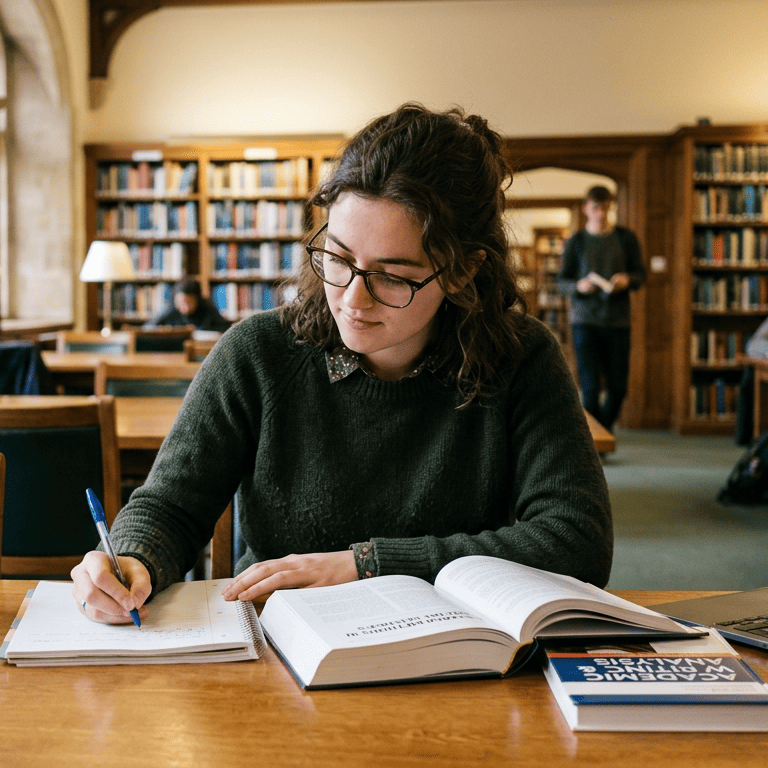
Psychoeducational evaluations assess a child’s intellectual functioning, academic achievement, and learning processes to identify strengths, challenges, and potential learning differences.
These evaluations help determine whether difficulties in reading, writing, mathematics, or other academic areas are related to underlying cognitive or processing factors. They also identify intellectual strengths and may clarify giftedness.
The results provide a detailed understanding of how a child learns best, supporting targeted educational strategies and interventions.



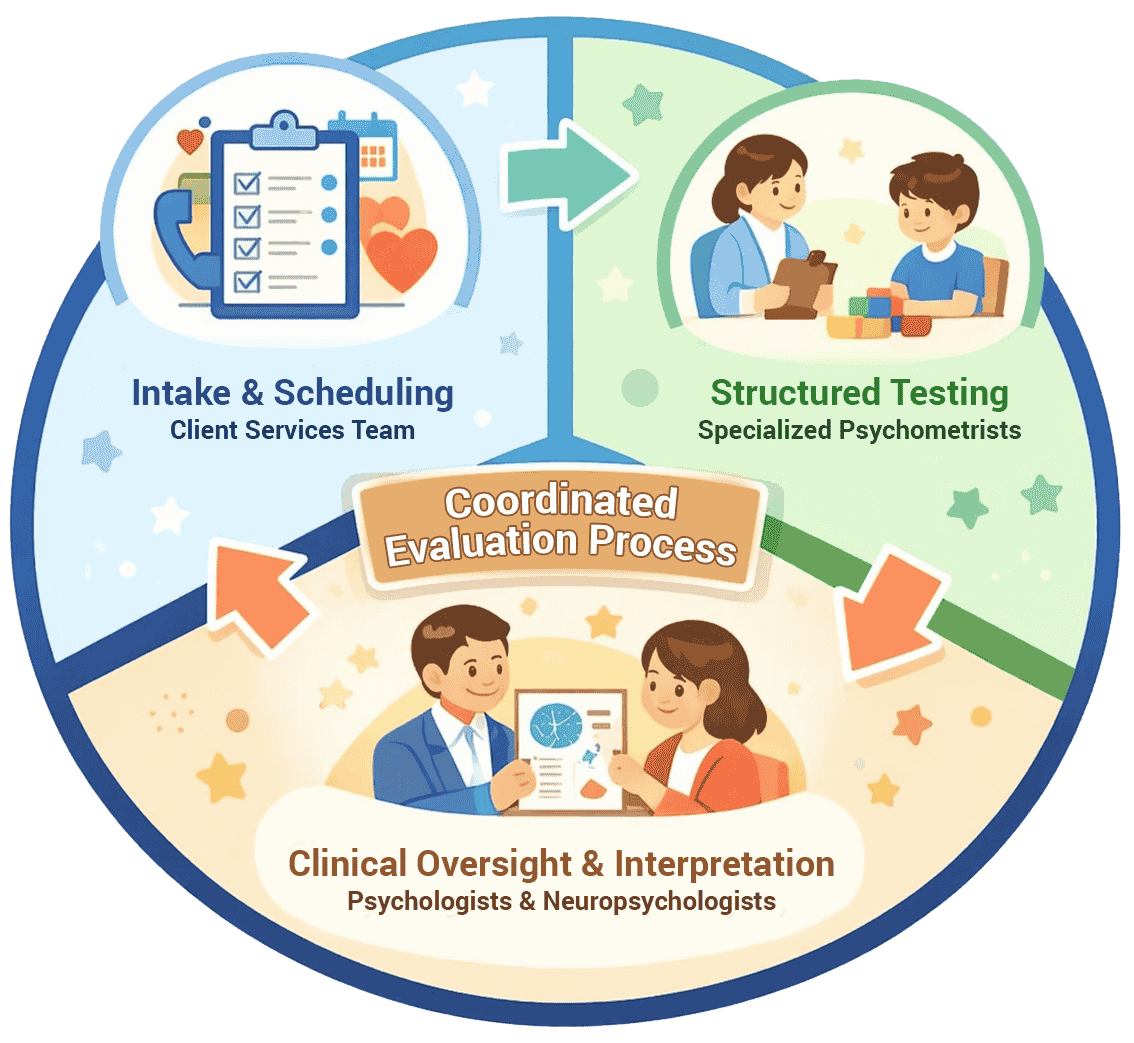
At Family Behavioral Health Center, evaluations follow a structured clinical model in which licensed psychologists lead clinical review and interpretation, specialty-trained psychometrists administer standardized testing, and our client services team coordinates scheduling, intake, and communication throughout the process. This model supports thorough, efficient, and well-coordinated evaluations from intake through final report.
We use cookies and similar technologies to help keep our website secure, protect our forms from spam, display maps, and improve your experience. With your permission, we also use these technologies to measure the effectiveness of our advertising so we can better connect families with our services. You can accept all technologies, review your Cookie Preferences, or close this notice without accepting optional technologies.